Upholstery cleaning New Barnet homes near Barnet Hospital
Posted on 17/07/2026
If you live in New Barnet and your sofa, armchair, dining chairs, or headboard is starting to look tired, you are not alone. Upholstery picks up everyday life in a very real way: muddy shoes after a wet walk, tea spills, pet hair, sun fade, and the sort of dust that settles quietly until one day you notice it all at once. Upholstery cleaning New Barnet homes near Barnet Hospital is about more than making fabric look nicer. It helps protect the furniture you already own, improves the feel of your home, and can make the whole room smell fresher too.
This guide breaks down what upholstery cleaning involves, which fabrics need extra care, how the process works, and how to choose a sensible approach for a home near Barnet Hospital or anywhere in the local New Barnet area. You will also find a practical checklist, a comparison table, and a few local-useful links if you want to explore related cleaning services or background information about the area.
Why Upholstery cleaning New Barnet homes near Barnet Hospital Matters
Let's face it: upholstery often gets used harder than people realise. A sofa in a family home near Barnet Hospital might be the place where breakfast gets finished, school bags get dumped, and someone always sits with a cuppa that is definitely too close to the armrest. Over time, that adds up. The fabric can look dull, the cushions can start to feel flat, and the room can seem a bit less welcoming even if the rest of the home is tidy.
In a busy part of New Barnet, there is also the simple practical issue of street dust, damp weather, and daily foot traffic coming in and out. If you have children, pets, or frequent visitors, upholstery cleaning becomes less of a luxury and more of a maintenance habit. A proper clean can lift soiling from the fibres, reduce odours trapped in the fabric, and refresh the look of a room without the cost of replacing furniture.
It also matters because not every mark is the same. A light surface stain may sit on top of the fabric, but body oils, food grease, and drink residues can travel deeper. That is where home cleaning sprays alone often fall short. Using the wrong product can leave a ring, roughen delicate fibres, or bleach a patch in a very obvious way. Not ideal. So a careful approach matters, especially with upholstery that you want to keep for years.
If you are already planning broader home care, upholstery cleaning fits neatly alongside spring cleaning in Barnet or a more comprehensive deep cleaning service. For households that prefer occasional, practical support rather than weekly upkeep, it can also sit alongside one-off cleaning in Barnet.
How Upholstery cleaning New Barnet homes near Barnet Hospital Works
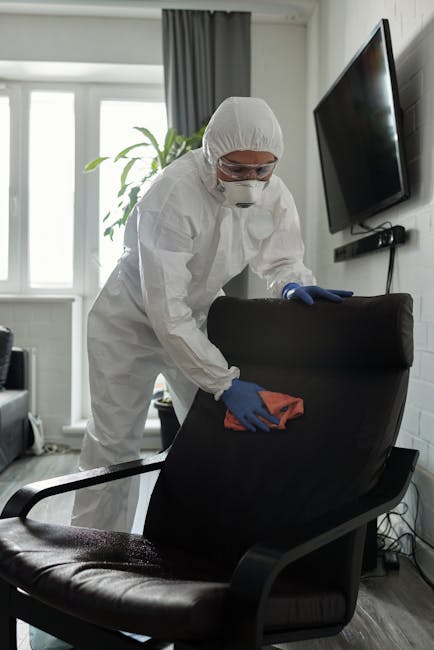
Professional upholstery cleaning usually begins with an inspection. That sounds basic, but it is the bit that prevents costly mistakes. Different fibres respond very differently to moisture, heat, agitation, and cleaning chemistry. Cotton, wool blends, synthetics, velvet, and leather all need a tailored approach. The cleaner should look at the fabric type, the condition of the item, the age of the stains, and any manufacturer care information that is still available.
After inspection, dry soil is removed first. This may involve vacuuming with suitable attachments, brushing loose debris away from seams, and paying attention to the corners where crumbs, hair, and dust quietly collect. If the fabric has heavy particulate dirt and that step is skipped, the later cleaning stage can just turn that dirt into mud. Nobody wants that.
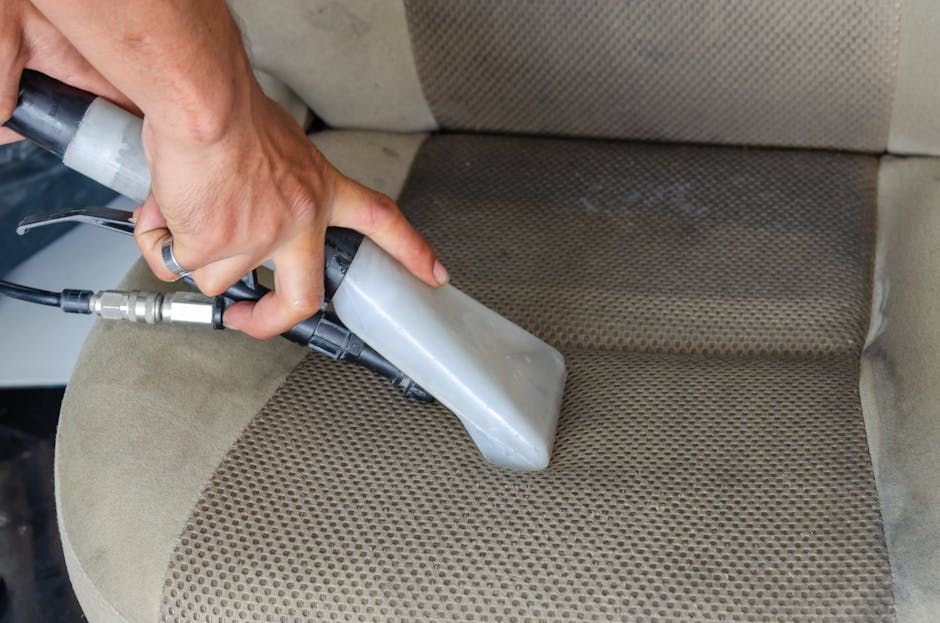
Next comes stain treatment and the main cleaning method. Depending on the fabric and the item, that may include hot water extraction, low-moisture cleaning, dry compound methods, or specialist spot treatment. The method is chosen to remove embedded dirt while limiting shrinkage, colour bleed, or texture distortion. Cushion covers, fixed seats, and decorative piping all need careful handling because each element dries at a different pace.
Finally, the upholstery is rinsed or neutralised where appropriate, then dried under controlled conditions. Drying is a bigger deal than many people think. If the fabric stays damp too long, smells can linger and the risk of re-soiling goes up. A decent technician will explain expected drying time clearly, and be honest if the material needs more than one visit or a lighter process. That honesty is worth a lot.
For readers comparing the service with other home options, the overall service structure is outlined on the services overview page, and if you are looking at fabric care in a broader sense, the company's upholstery cleaning in Barnet page is the closest service match.
Key Benefits and Practical Advantages
Clean upholstery changes a room faster than many other tasks. A sofa is a visual anchor. If it looks clean, the rest of the space tends to feel cleaner too. That is the honest truth of it.
- Better appearance: Dirt, dull patches, and old spill marks are lifted or reduced, which immediately improves how the room looks.
- Improved comfort: Clean fabric tends to feel fresher and softer under normal use.
- Odour reduction: Food smells, pet odours, and stale indoor scents can be trapped in fibres and padding.
- Longer furniture life: Removing grit and residue helps reduce wear on the fibres and seams.
- Healthier-feeling home: While upholstery cleaning is not a medical treatment, it can reduce dust build-up and make rooms feel cleaner and easier to maintain.
- Better value than replacing furniture: A well-cared-for sofa or chair often has plenty of life left in it once the surface grime is dealt with.
There is also a practical benefit that gets overlooked: cleaning helps you spot real damage early. A small tear, a failing seam, or a water-marked patch is easier to notice once surface dirt is removed. That can be useful before a problem gets worse. In a home near Barnet Hospital, where life can be busy and the furniture gets used constantly, that early warning is genuinely helpful.
If you are thinking about preparing a property for sale or letting, upholstery refreshes can sit well alongside other local property planning reading such as selling real estate in Barnet or real estate insights for Barnet buyers. Clean interiors do not close a sale on their own, of course, but they do support a better first impression.
Who This Is For and When It Makes Sense
Upholstery cleaning is not only for dramatic stains. In many homes, it makes sense before the furniture looks visibly dirty. That is particularly true if you want to keep a sofa in good condition rather than waiting until it is obviously past its best.
This service is a good fit for:
- Families with children or pets
- Homeowners who entertain regularly
- Landlords or tenants preparing a property for inspection
- People dealing with stubborn marks, spills, or odours
- Anyone with light-coloured or delicate fabric furniture
- Households planning a spring refresh after a long winter
It also makes sense if the room simply feels a bit tired. You know the feeling: the sofa looks fine from across the room, but once you sit down, the worn armrest or faint shadowing becomes impossible to ignore. That is usually the moment people start looking into cleaning rather than replacing. Sensible, really.
For tenants and movers, upholstery cleaning is often part of a wider end-of-tenancy clean. If that is your situation, it may be worth reading about end of tenancy cleaning in Barnet EN5 so you can plan the fabric care alongside the rest of the move-out checklist.
And if your home cleaning needs are broader than upholstery alone, nearby options such as domestic cleaning in Barnet or house cleaning in Barnet may suit a more general refresh.
Step-by-Step Guidance
Here is the simplest way to think about the process when you are booking or carrying out upholstery cleaning. Not every job will need every step, but this is the order that tends to produce the safest results.
- Identify the fabric. Check labels, manufacturer instructions, or any care tags underneath cushions. If the code is unclear, ask before any liquid is applied.
- Test in a discreet area. A good cleaner will test for colour fastness and fabric reaction in a hidden spot first.
- Remove dry debris. Vacuum thoroughly, including seams, folds, and under cushions.
- Treat visible stains carefully. Stains are assessed individually. Grease, drink spills, ink, and body oils behave differently.
- Apply the chosen cleaning method. This may be low-moisture cleaning, extraction, or a fabric-specific process.
- Rinse or neutralise if needed. Residue left behind can attract dirt, so the final stage matters more than many people expect.
- Speed up drying safely. Good ventilation helps. Avoid sitting on damp fabric too soon, tempting as it may be.
- Recheck the result. Inspect seams, arms, and shaded areas once the piece is dry.
One small but useful tip: if a cushion cover is removable, do not assume it can simply be washed like a T-shirt. Some covers shrink, distort, or lose their finish very quickly. A sofa can go from neat to oddly lumpy in a single wash cycle. Not a great day.
If you are weighing up a broader refresh for the home, some people combine upholstery cleaning with carpet cleaning in Barnet so the whole ground floor feels consistent. That tends to work well in open-plan rooms where sofas, rugs, and carpets all sit together visually.
Expert Tips for Better Results
Good results usually come from restraint, not brute force. A gentle, informed clean is safer than a vigorous one, especially on older furniture or textured fabrics.
- Act quickly on spills, but do not panic. Blot first. Rubbing usually pushes the stain deeper and spreads the mark.
- Use less liquid than you think. Over-wetting is one of the most common reasons upholstery takes too long to dry or develops water marks.
- Understand the fabric finish. Velvet, chenille, and linen-like fabrics can all react differently to pressure and moisture.
- Clean from the outside of a stain inward. That helps prevent the stain from spreading into a wider halo.
- Ventilate the room. A gentle airflow is helpful. Strong heat right on the fabric is usually not.
- Schedule work before the furniture becomes heavily soiled. Preventive cleaning often gives the best visual results and less risk.
In our experience, the clients who get the nicest finish are the ones who ask about the fabric first and the stain second. That may sound backwards, but it is exactly the right order. Once you know the material, the stain is easier to treat properly.
If you have a particular fabric that needs special handling, you may find the article on washing velvet curtains safely useful, because the same general caution applies to delicate pile fabrics and decorative textiles.
Common Mistakes to Avoid
Upholstery cleaning can look simple from the outside. It rarely is. A few small errors can create more work than the original stain.
- Using a random household cleaner: Some products are too harsh for dyed fabric and can leave a permanent patch.
- Scrubbing too hard: Friction can roughen the nap, distort the weave, or make a stain wider.
- Skipping the test patch: This is where colour bleed surprises people.
- Over-wetting the cushion: Deep moisture can lead to slow drying and lingering odours.
- Cleaning only the visible mark: If you treat one patch on a dirty seat, you may end up with a clean spot that stands out more than the original stain.
- Sitting on the furniture too soon: Compression while damp can leave texture marks or flatten the fibres unevenly.
Another mistake is assuming all "professional" methods are the same. They are not. A competent cleaner should explain the method, drying time, and any known limitations. If they cannot tell you what fabric they are dealing with, that is a bit of a red flag.
Tools, Resources and Recommendations
You do not need a van full of specialist kit to look after upholstery between professional cleans, but a few sensible tools make a difference.
| Item | What it helps with | Practical note |
|---|---|---|
| Soft upholstery attachment | Routine vacuuming | Useful for seams, corners, and under cushions without harsh brushing |
| Microfibre cloths | Blotting fresh spills | Use gently, and replace once they become too damp or dirty |
| Fabric-safe stain remover | Spot treatment | Always test first; one product does not suit every textile |
| White towels | Absorbing moisture | Helpful because they do not transfer colour |
| Good room ventilation | Drying | Open windows where practical and safe, especially after cleaning |
When choosing a cleaning provider, look for clarity rather than fancy language. You want straightforward answers about fabric type, methods used, drying times, and what happens if a stain does not fully lift. That sort of plain-English explanation is more valuable than a polished sales pitch.
If you are comparing service levels, the pages for pricing and quotes, requesting a quote, and about the company are sensible starting points. For any practical question about trust, scheduling, or what is included, a direct contact option is usually the quickest route.
Law, Compliance, Standards, or Best Practice
For household upholstery cleaning, there is usually no special legal hurdle for the homeowner, but there are still sensible standards to follow. UK consumer expectations generally favour clear information, honest descriptions, and careful handling of property. If you are hiring someone to work in your home, you should expect transparency about the process and reasonable care around water, electricity, access, and drying conditions.
From a best-practice point of view, reputable cleaners normally work with the fabric's care instructions, test for colour fastness, and avoid methods that risk shrinkage or over-wetting. They should also use appropriate health and safety precautions when handling cleaning agents and equipment. If you want to know more about the company's broader approach to safety and responsibility, the pages on insurance and safety and the health and safety policy are worth a look.
There is also a wider trust angle. People often want reassurance about how a company behaves, not just how it cleans. For that reason, publicly available pages such as terms and conditions, privacy policy, payment and security, complaints procedure, and accessibility statement are useful signals of a properly run business. None of that is flashy, but it matters.
And for readers who like the ethical side of service providers, the modern slavery statement is another sign that a company is putting formal policies on record. A bit dry, perhaps, but still useful.
Options, Methods, or Comparison Table
There is no single best upholstery cleaning method for every home. The right option depends on the fabric, how dirty it is, and how quickly you need it usable again.
| Method | Best for | Strengths | Limitations |
|---|---|---|---|
| Hot water extraction | Durable fabrics with embedded soil | Good deep-clean potential and strong soil removal | Not ideal for all delicate fabrics; drying time matters |
| Low-moisture cleaning | Regular maintenance and faster turnaround | Less water, usually quicker drying | May be less effective for heavy staining |
| Dry compound cleaning | Fragile or moisture-sensitive materials | Very limited moisture exposure | Not always the best choice for deep, greasy grime |
| Spot treatment only | Small isolated marks | Fast and targeted | Won't restore the overall appearance of a soiled sofa |
If your home has mixed fabrics, a blended approach is often best. For example, a fabric sofa in the living room and a velvet dining bench may need two different treatments on the same visit. That is normal. Actually, it is a good sign if the cleaner adapts rather than forcing one system on everything.
Case Study or Real-World Example
Here is a realistic example from a typical New Barnet household, without the drama. A family living close to Barnet Hospital had a three-seat fabric sofa, two dining chairs, and a small footstool that had all picked up everyday wear over several years. The sofa arms had darkened slightly, one cushion had a faint drink ring, and the footstool was no longer the pale neutral colour it used to be. Nothing disastrous. Just a bit tired.
The first step was a careful inspection and fabric test on a hidden area. That ruled out any aggressive treatment. Dry vacuuming removed a surprising amount of dust and pet hair from seams. The cleaner then treated the darker arm areas separately before using a low-moisture process across the main seating surfaces. The stain ring was reduced rather than completely erased, which is worth saying honestly. Some marks just do not vanish fully, especially once they have settled in. But the overall effect was much fresher, and the room looked brighter in daylight the next morning.
What made the result work was not one miracle product. It was the sequence: check, test, clean gently, dry properly, and do not rush. Simple enough, but that is often where the difference lies.
The household later combined the upholstery clean with a broader deep clean in Barnet, which made sense because the fabric refresh highlighted how much else in the room could benefit from a proper reset. If you have ever cleaned a sofa and suddenly noticed the carpet next to it, you will know exactly what happened there.
Practical Checklist
Use this quick checklist before booking or doing any upholstery cleaning at home:
- Identify the fabric type and check any care label
- Confirm whether the item is colourfast in a hidden area
- Vacuum thoroughly before applying any moisture
- Choose a cleaning method suitable for the textile
- Avoid over-wetting or heavy scrubbing
- Keep the room ventilated while drying
- Do not sit on the upholstery until it is properly dry
- Ask about drying times before the work starts
- Use a provider that explains what is included clearly
- Consider pairing upholstery cleaning with carpets or a wider home refresh if needed
Expert summary: The safest upholstery cleaning results come from matching the method to the fabric, testing first, using controlled moisture, and allowing proper drying. Fast is useful; careful is better.
Get a free quote today and see how much you can save.
Conclusion
Upholstery cleaning for New Barnet homes near Barnet Hospital is one of those jobs that quietly improves daily life. The sofa looks better, the room feels fresher, and the furniture you already own gets a better chance of lasting. It is practical work, not glamorous work, but the results are easy to appreciate the moment you walk into the room.
If you remember only one thing, make it this: the right cleaning method depends on the fabric, not just the stain. That one judgement call can save a lot of stress, and sometimes a lot of money too. And if you are not sure what your furniture needs, it is always better to ask than to guess. Better safe than sorry, as they say.
For households in and around New Barnet, a thoughtful upholstery clean is a small upgrade that often makes the whole home feel more settled. And that is no small thing, really.